Technician checking air pressure at a hallway return vent grille.

How Many Return Air Vents Do I Need?

How many return air vents do I need? Most homes need a clear return path from every room plus well-placed returns for balanced airflow and comfort.

Hot bedrooms, cold hallways, doors that “slam” when the HVAC runs, these are classic signs your home may not have enough return airflow.

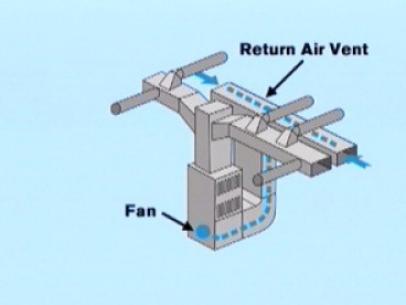
Return vents feed air back to the air handler so it can be conditioned again. When returns are undersized or missing, comfort and efficiency suffer.

At The Duct Kings, we help homeowners improve comfort by balancing return airflow, sealing leaks, and cleaning the duct system for smoother circulation.

What Return Vents Do (and Why Count Matters)

Supply vents push conditioned air into rooms. Return vents pull room air back to the system. If your system can’t pull enough air, pressure becomes imbalanced, rooms starve for airflow, and the blower works harder than it should.

Well-sized returns mean:

  • Quieter operation and fewer drafts
  • More even temperatures room-to-room
  • Less strain on the HVAC blower and coil

Quick Rules of Thumb (Guidance, Not Code)

Every home is different, but these practical rules help you spot problems early:

  • A clear return path from every closed room. Either a dedicated return or a transfer path (e.g., door undercut or jumper/transfer grille).
  • Bedrooms benefit from dedicated returns. Especially if doors are kept closed at night.
  • Don’t block returns. Avoid furniture, drapes, or dense filters that choke airflow.
  • Total return area must match system airflow. Your tech will size grilles/ducts to the blower’s CFM, not just the square footage.

If these basics reveal gaps, see how improving return duct airflow can restore balance and comfort.

Signs You Need More (or Better) Return Air

  • Rooms go stuffy or hot/cold when doors are closed
  • Noticeable whistling at grilles or pressure “thumps” when the system starts
  • Dust streaks on walls or carpet near return grilles
  • Doors shift or slam when the HVAC turns on
  • Long run times with little comfort improvement

How Many Return Vents Should Each Room Have?

Most homes don’t need one in every room, but each closed room needs a clear return path. Bedrooms often benefit from dedicated returns. If doors stay closed, add a transfer grille or jumper duct so air can flow back to the system.

Placement & Sizing Basics

Central vs. Dedicated Returns

  • Central return: One or two large returns in a hallway or main area. Works best in open floor plans with good transfer paths under doors.
  • Dedicated returns: A return in each bedroom or closed-door room. Best for privacy and stable comfort.

Ensure a Return Path

If a room’s door is often closed, provide a path back to the system:

  • Door undercuts (often not enough by themselves)
  • Jump ducts (room to hallway)
  • Transfer grilles (above door or through a wall)

Filter Location Matters

  • At the air handler: One main filter that’s simple to maintain.
  • At each return grille: Great for dust control but requires regular changes to avoid choking airflow.

Common Mistakes to Avoid

  • Using a too-dense filter without upsizing the grille (starves airflow)
  • Blocking returns with furniture, curtains, or wall décor
  • Relying on a single hallway return when bedroom doors stay closed
  • Skipping duct sealing can let leaky returns pull dusty attic or garage air.

If testing finds leaky or undersized returns, we can seal leaky ducts and upgrade components as needed

Simple Maintenance You Can Do

  • Replace return filters on schedule (or sooner in dusty homes)
  • Vacuum and wipe grille faces to remove lint and pet hair
  • Keep 3–4 feet of clearance in front of return grilles
  • Note rooms with weak airflow to share with your technician

For persistent room issues, this guide to poor airflow in rooms can help you troubleshoot.

When to Add or Upgrade Return Vents

Consider adding returns when:

  • Bedrooms are uncomfortable with doors closed
  • You hear whistling or feel strong drafts at grilles
  • The system is loud, runs long, and still struggles
  • You’re remodeling or finishing new spaces

Curious about framing-friendly options? See our hands-on guide to adding a cold air return in tight wall spaces, or have our team plan and install a professional solution.

Frequently Asked Questions (Return Air Vents)

Is one central return enough for a whole house?

Sometimes, open layouts can work fine. If doors stay closed or rooms run hot/cold, you likely need added returns or transfer paths.

How many returns do I need in a 3-bedroom home?

Many homes benefit from a central return plus returns (or transfer paths) for each bedroom. A technician sizes duct and grille area to your blower’s airflow.

Will adding returns lower my energy bill?

Balanced airflow can reduce run time and blower strain. Real savings depend on duct leakage, equipment condition, and filter choices.

Can I add a return myself?

Some homeowners add between-stud returns during renovations, but sizing and duct routing are critical. Professional design prevents noise, dust, or code issues.

Do more returns reduce dust?

They can help by improving circulation, but dust control also depends on filtration, duct cleanliness, and sealing.

Why does my door slam when the AC turns on?

It’s a pressure imbalance—there isn’t enough return airflow or the return path is blocked.