
Best Air Duct Cleaning in Plano TX
- Removes Allergens and Toxic Irritants
- Help Breathe Easier
- Removes Annoying Smells and Odors
- Increases Heating And Air Conditioning Air-flow Productiveness
Local Ducts Professional Cleaners Servicing Plano and The Surrounding
When you need air duct cleaning, Plano has plenty of alternatives. Nevertheless, The Duct Kings is just one of the Plano cleaning companies that have an unbeatable duct cleaning guarantee to ensure your satisfaction.
We ensure to do the job right the very first time, providing you with improved indoor air quality that lets your family breathe clean air in your home.
The Duct Kings utilizes a unique duct cleaning method that will get rid of all the dust, debris and mildew that gathers in your air duct system. The Duct Kings’s cleaning and restoration services are the very best in the sector!
The Duct Kings also focuses on dryer vent cleaning to keep your dryer vents in the best of shape possible.
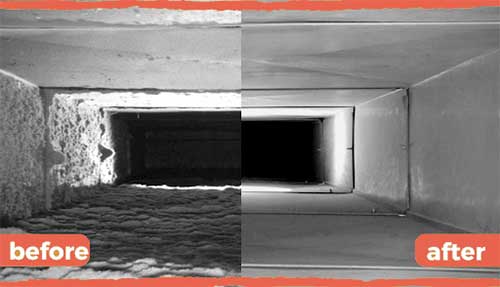
Expert Plano Vent Cleaning
Dirty ducts can lower the effectiveness of your HVAC system, and indoor air quality, and aggravate asthma and allergy symptoms. For professional duct cleaning, Plano’s best option is always The Duct Kings Solutions. We’ll make your family and you take a breath easier with our tried and tested duct cleaning approach.
When you get your HVAC system professionally cleaned in the Dallas Fort Worth area, selecting The Duct Kings is the best for your cooling and heating system. Our HVAC system cleaning will cleanse your air as well as heat exchangers. We additionally provide the very best in carpet cleaning to guarantee your indoor air quality is of the highest criteria.
Benefits Of An Air Duct Cleaning
Along with removing dust and debris from your heating and cooling system, you’ll also enjoy the following benefits:
- Get rid of bad odors.
- Reduce the quantity of dust in your home.
- Increase the efficiency of air conditioning units.
- Eliminate mold and also mildew from your air ducts.
- Reduced power expenses
- Reduce future repair services.
Call The Duct Kings today to arrange an air duct cleaning in Plano, Texas!

Our Process Of Air Duct And HVAC Cleaning
- First, we cleaned the unit, fan, squirrel cage, and all the accessible air-handling elements in the furnace.
- Removing the vent covers and handwashing them.
- We use a negative air pressure vacuum to clean the ducts and get rid of ash, dust, and various other debris.
- Using antimicrobial treatment throughout the system to sanitize.
- Cleaning the bordering air vent areas.
- Re-installing the vent covers back.
Now, as soon as the AC and heating vent cleaning process is complete, our specialists will check all around the property and leave your home in the exact same condition as they found it.
You will not see any type of mess or trash after we’re done thoroughly cleaning up vents in your home. It’s a quick, simple, cost-efficient method to get your vents cleaned so you can begin to appreciate the advantages of fresh indoor air and effectively functioning tools.
The Duct Kings Plano Are Local And Family Owned
The Duct Kings working in the cleaning and restoration industry for over 25 years, our local family-owned air duct cleaners company is IICRC-certified and has given Plano, Texas, residents A/C air duct cleaning at sensible prices.
We’re specialists in cleaning up air ducts and we would certainly be greater than delighted to bring our skills to your door.
Let’s get you the top-notch and reliable service cleaning from the qualified professionals that you deserve!
check more of our cleaning and restoration services in Plano Texas here.

Our North Texas Service Areas
- Fort Worth
- Arlington
- Plano
- Garland
- Irving
- Grand Prairie
- McKinney
- Frisco
- Mesquite
- Carrollton
- Denton
- Richardson
- Lewisville
- Allen
- Grapevine
- North Richland Hills
- Flower Mound
- Rowlett
- Euless
- Bedford
Get A Free Estimate Today
Call us
Website