
Air Duct Cleaning in San Antonio, Texas
- Decrease Toxic irritants and allergens
- Will help Breathe A lot easier
- Takes out Annoying Smells and Odors
- Increases Ac Air Flow General performance
When it comes to professional air duct cleaning services in the heart of Texas, The Duct Kings of San Antonio is the company to trust. Our commitment to exceptional customer service, coupled with extensive experience and advanced technology, ensures your air ducts are meticulously cleaned, improving your indoor air quality, and maximizing the efficiency of your HVAC system.
Air Duct Cleaning in San Antonio – Why You Need It?
San Antonio, a city known for its dusty weather, makes air duct cleaning a necessity for every home and business. Dust particles can accumulate in your air duct system, leading to poor air quality, aggravated allergies, and inefficient heating and cooling systems.
San Antonio’s Dusty Weather and Air Duct Cleaning
In a bustling city like San Antonio, where neighborhoods from Alamo Heights and Beacon Hill to Southtown and Monte Vista are constantly exposed to dust and debris, your air ducts can become the perfect home for these unwanted guests. Over time, this buildup can create a myriad of issues for your HVAC system and your health.
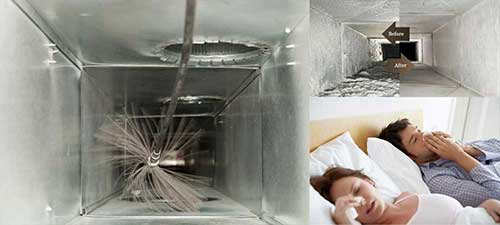
Our Air Duct Cleaning Services in San Antonio
At The Duct Kings, we offer a wide range of cleaning services designed to meet the needs of both residential and commercial clients.
Residential Air Duct Cleaning
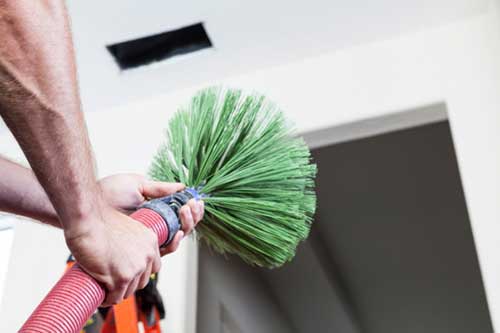
Our team of professional air duct cleaners is trained to handle all types of residential duct systems. Whether you live in a downtown loft or a Victorian home in Beacon Hill, you can count on us to provide comprehensive air duct cleaning services that improve your indoor air quality and extend the life of your HVAC system.
Commercial Air Duct Cleaning in San Antonio
Commercial buildings in San Antonio, from Olmos Park Terrace to the business district downtown, can benefit greatly from our commercial air duct cleaning services. A clean duct system in your business means a healthier work environment and more efficient heating and cooling.

Reviews of our Air Duct Cleaning Services
We pride ourselves on our excellent customer service and the high-quality work we deliver. But don’t take our word for it. Check out our air duct cleaning San Antonio reviews from satisfied customers throughout the city.
- Review by Jane D.:
⭐⭐⭐⭐⭐
“I can’t express enough how pleased I am with the air duct cleaning service I received. The team was professional, and thorough, and explained the entire process to me. Since the cleaning, I’ve noticed a significant improvement in the air quality in my home. My allergies have lessened, and there’s a noticeable absence of dust. The service was also affordable and worth every penny. I highly recommend their services to anyone in San Antonio who wants to breathe cleaner, healthier air.”
- Review by Luis R.:
⭐⭐⭐⭐⭐
“I had a mold issue in my basement and was worried about potential health risks for my family. The mold remediation service they provided was top-notch. They were able to identify the source of the mold, remove it, and treat the area to prevent future growth. The team was respectful, efficient, and highly knowledgeable. They took the time to explain what they were doing and gave me tips on how to prevent mold in the future. I’m grateful for their hard work and highly recommend their mold remediation services.”
The Cost of Air Duct Cleaning in San Antonio
Investing in regular air duct cleaning is not only beneficial for your health and the efficiency of your HVAC system but it can also save you money in the long run. The cost of air duct cleaning in San Antonio can vary based on several factors such as the size of your home, the number of vents, and the level of cleaning required. On average, homeowners can expect to pay between $300 and $500 for a comprehensive air duct cleaning. A typical two-story home with 10 to 15 vents might fall into the range of $317.45 – $344.66. It’s worth noting that the average cost per cleaned vent is around $200.
We believe in transparency, which is why we provide clear, upfront pricing for our services. Contact us today for a free, no-obligation quote tailored to your specific needs.
Contact The Duct Kings San Antonio
Ready to improve your indoor air quality and make your HVAC system more efficient? Give us a call today to schedule your professional air duct cleaning in San Antonio. Our team serves all neighborhoods, from the historic Monte Vista to the vibrant Southtown, providing comprehensive air duct cleaning that will leave your ducts cleaned and your indoor air fresh and clean.
With The Duct Kings, your satisfaction is our priority. Let us provide you with the best air duct cleaning San Antonio has to offer.
Locations Near San Antonio Include
Kirby
Leon Valley
Converse
Live Oak
Universal City
San Marcos
Kyle
Kerrville
Lockhart
Local Provider
For professional air duct cleaning services give us a call at (210) 899-6374
Get A Free Estimate Today
Call us
Website