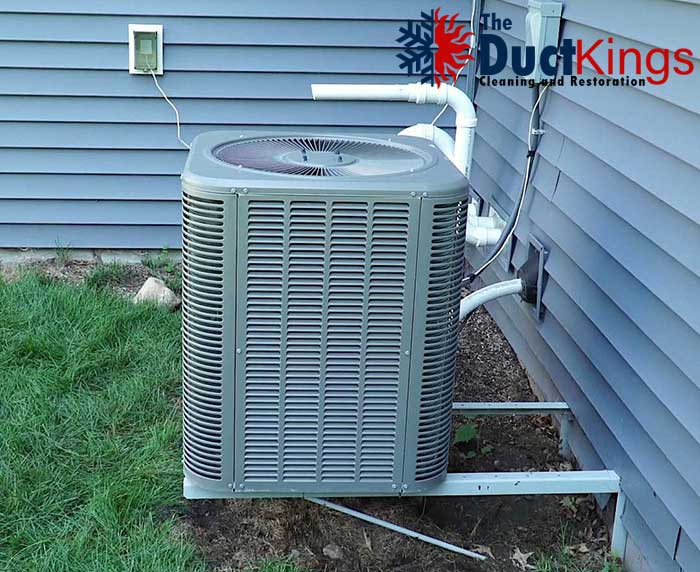
If you’re wondering how to clean an AC drain line, you’re already on the path to better home maintenance. An air conditioner’s drain line, sometimes known as a condensate drain line, is a critical part of the HVAC system that often goes unnoticed until problems arise.
Recognizing a Clogged AC Drain Line
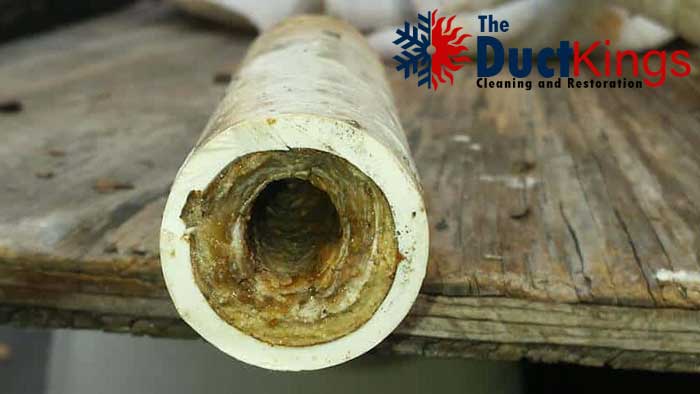
You might suspect a clogged AC drain line if your air conditioning unit isn’t functioning as well as it used to. Some telltale signs include water leaks, poor cooling efficiency, and unpleasant smells. Ignoring these symptoms could lead to significant water damage and even an entire HVAC unit failure.
The Importance of a Clean AC Drain Line
Keeping your air conditioner’s drain line clean boosts your air conditioning system’s performance and prolongs its lifespan. With routine maintenance, you’ll prevent drain lines from getting clogged, reduce the chance of a drain pan overflow, and maintain better indoor air quality.
Step-by-Step Guide to Cleaning Your AC Drain Line
- Locate Your AC Drain Line
Commonly, the drain line is a PVC pipe located near the outdoor condenser unit. - Turn Off Your Air Conditioning Unit
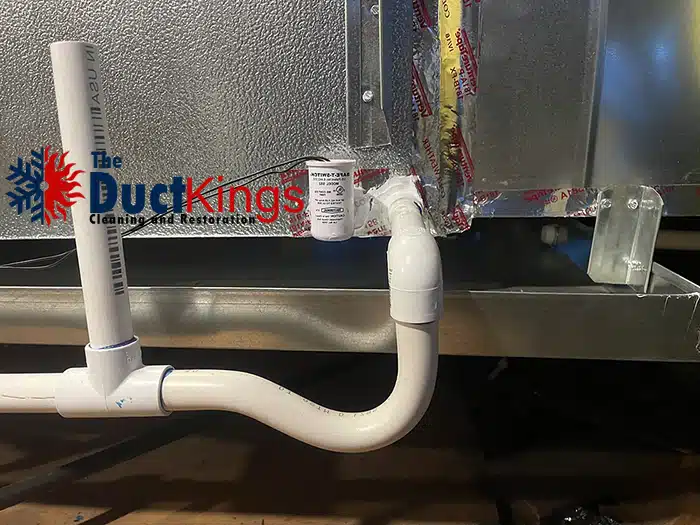
To avoid any electrical issues or damage to the system, ensure you switch off your air conditioning before you begin. - Access the Drain Line
Remove the cap from the drain line’s access point. This is often situated near the air handler.
- Use a Wet/Dry Vacuum
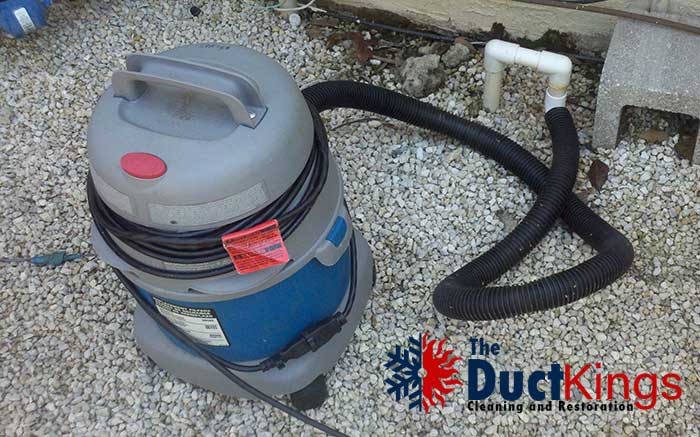
A wet/dry vacuum is an ideal tool for unclogging a condensate drain line. Securely fasten the vacuum hose to the drain line using duct tape, then run it for a few minutes to clear the line.
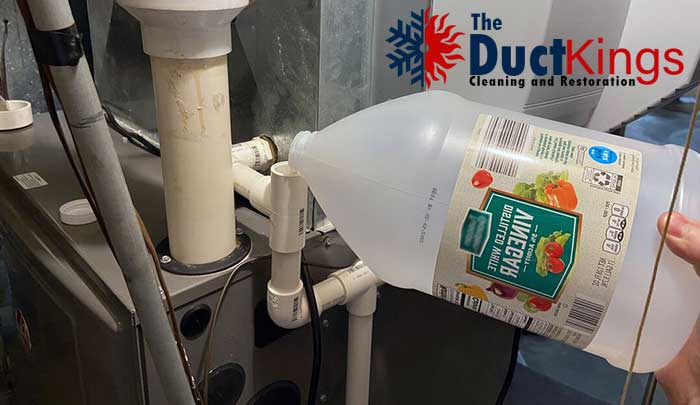
- Pour a Distilled Vinegar Solution
After vacuuming, pour a small amount of distilled vinegar into the drain line to remove any remaining debris. - Allow the Solution to Sit, Then Rinely
Let the vinegar sit for around 30 minutes, then rinse the line with water to ensure it’s clean.
Air Duct Cleaning and AC Drain Line
The air ducts in your home can contribute to a clogged condensate drain. Over time, dust and debris from the air ducts can clog your AC drain line. By keeping air ducts clean, you’re also ensuring a clean AC drain line, thus enhancing the overall air quality and HVAC system efficiency.
Professional AC Drain Line Cleaning
While routine maintenance can prevent many issues, some cases may require a professional touch. If your drain line is clogged persistently or you’re not comfortable doing the cleaning yourself, hiring a professional can save your air conditioner from major issues down the line.
Air Duct Cleaning Services by The Duct Kings
Our team at The Duct Kings is an expert in not only keeping your air ducts clean but also preventing drain line clogs. We understand the intricacies of air conditioning systems and the importance of a clean condensate line for efficient air conditioners. Our services have proven to resolve AC issues, improve indoor air quality, and even prolong HVAC system life.

Ready to ensure your HVAC maintenance is up to par? Schedule a drain line and air duct cleaning service with The Duct Kings today! By doing so, you can prevent water damage, improve air quality, and enhance your HVAC unit’s efficiency. Click here to secure your peace of mind with a clean AC drain line today!
Conclusion
A clean AC drain line is a small yet vital part of your home maintenance. Regular cleaning and maintenance of your air conditioning system, including the evaporator coils, drain pan, and drain pipe, can save you from costly HVAC repairs or even water heater damage. As the saying goes, prevention is always better than cure.