Cleaner, Healthier Air Starts with Air Duct Cleaning in Dallas, TX

Due to Dallas’s high pollen count, your home’s air quality is often significantly poorer than outdoor air, causing allergies. Our professional, certified technicians eliminate pollen, pet dander, and dust circulating in your HVAC system.

We deliver a deep clean that ensures a healthier home environment and dramatically improves energy efficiency. Schedule your service online today.

Technician inspecting airflow at a ceiling vent inside a Dallas home during warm afternoon light.

Signs Dallas Homes Show When Ducts Need Attention

Seasonal changes in Dallas create predictable issues inside duct systems. When air pressure shifts during hot summers or windy spring days, dust and pollen settle inside supply lines and return pathways. Over time, the HVAC system struggles to move clean air efficiently, and the symptoms show up throughout the home.

Homeowners often notice issues during AC cycles, especially when temperatures rise or humidity builds in attic systems. These early signs can reveal whether a deeper cleaning is needed or if airflow simply needs balancing.

Comparison of a dusty air duct before cleaning and a clean duct afterward in a Dallas home.

Dust or pollen blowing from ceiling vents

Warm, gusty days in North Texas can push pollen into attics and crawl spaces. When that material settles on duct surfaces, particles become visible as soon as the AC starts.

Airflow changes between rooms

Many Dallas builds include long duct runs from attic units to upstairs bedrooms. Debris tends to collect at bends, causing air to weaken in far rooms while others stay stronger.

Odors during AC cycles after humid days

Moisture inside ducts can trap stale smells. When humidity rises, especially after storms, trapped dust absorbs that moisture and circulates an odor until ducts are cleaned.

Why Cleaner Ducts Matter in Dallas Homes

Dallas homes face more airborne particles than many other Texas cities. Construction growth, nearby highways, and high pollen counts create conditions where ducts gather buildup quickly. When duct interiors stay coated, HVAC systems lose efficiency and indoor comfort drops.

Cleaner ducts help systems circulate air more evenly, reduce allergens, and support better cooling during intense heat waves. Homeowners with pets or older HVAC units notice the biggest improvements after cleaning.

If you want a bigger picture of how full-system cleaning supports airflow across different home layouts, reviewing our full HVAC and air duct cleaning process can help explain where your system fits.

Technician checking attic ductwork airflow in a Dallas home with visible framing and insulation.

Seasonal pollen drifting indoors

Oak, cedar, elm, and ragweed produce heavy pollen loads. Even closed windows cannot stop fine particles from entering attics and sticking inside ducts.

Heat and humidity that collect inside attic systems

Attic-installed HVAC units in Dallas can reach extremely high temperatures. This heat bakes dust to duct surfaces, making it harder to remove without professional agitation and vacuuming.

Dust from freeway corridors settling in ductwork

Homes near I-635, US-75, and the Dallas North Tollway frequently experience small particulate buildup that finds its way into return lines.

Three Steps We Use to Restore Healthy Airflow

Different homes require different methods, but the core restoration steps remain the same. Our process is designed around the HVAC layouts most common in Dallas, from older homes near White Rock Lake to two-story builds in the suburbs.

Inspection and airflow isolation

We check each vent, return, and duct branch using scopes or crawl cameras. This identifies where buildup sits and protects clean areas while we work.

Deep removal of dust and debris

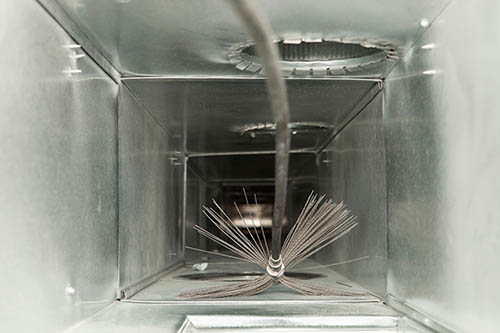
Using high-powered negative-air machines, HEPA filtration, and rotary brushing, we remove the buildup that blocks airflow and keeps allergens circulating.

Optional sanitizing for odor or humidity issues

Homes affected by moisture or lingering smells benefit from plant-safe ULV fogging. This step neutralizes odors and freshens the duct interior.

What Homeowners Usually Ask Before Booking Duct Cleaning

Dallas families often want to know how long cleaning takes, what results they should expect, and whether duct maintenance helps reduce allergy symptoms. These questions come up frequently, especially during spring and fall allergy peaks.

The answers vary depending on duct length, system age, and how much debris is inside. The following points cover the most common concerns.

How often ducts should be cleaned in Texas

Every three to five years works for most homes, but heavy-pollen neighborhoods or homes with pets may need cleaning sooner.

What affects cleaning time in Dallas homes

Multiple returns, long duct routes, or attic-installed units can extend cleaning time. Most jobs stay within two to three hours.

Whether duct cleaning can help with allergies

Yes. Removing dust, pollen, and dander reduces irritation during high-pollen months.

Tools and Standards That Shape Each Dallas Visit

Consistent results depend on following proper protocols. We use methods that meet NADCA recommendations and tools suited for older homes, attic HVAC systems, and long return pathways common in Dallas neighborhoods.

These standards keep your home clean during service and help your HVAC system recover quickly.

Technician inspecting airflow at a ceiling vent inside a Dallas home during warm afternoon light.

HEPA filtration for high-allergen seasons

HEPA-grade vacuums trap fine particles that standard equipment cannot capture.

Rotary brushing for older multi-return systems

Homes with multiple returns, especially in older Dallas neighborhoods, often need agitation tools to break debris loose.

NADCA recommendations used on all jobs

Following these guidelines ensures safe, effective results through proper containment and cleaning steps.

Local Story From a Dallas Neighborhood

A couple in Lake Highlands reached out after noticing stale air and weak airflow upstairs. The AC struggled to keep up on hot days, and dust appeared near several ceiling vents. After inspecting their duct system, we found thick buildup inside the return trunk and debris packed into upstairs supply lines.

What the homeowner noticed before the visit

Hotter rooms, uneven airflow, and dusty vent covers revealed deeper buildup.

What changed after the cleaning

Air cooled more evenly, dust levels dropped, and energy usage decreased the following weeks.

Problems in ducts often link to other systems in the home. When airflow struggles, humidity rises or debris collects in other areas. These related services help address common issues Dallas homeowners face.

Dryer vent support for faster laundry cycles

If drying takes longer than usual, consider improving how heat moves through the vent line to reduce lint blockages and protect your dryer.

Chimney cleaning before winter drafts

Before cooler evenings, book checking the fireplace draft for smoother ventilation to prevent smoke issues and maintain better indoor airflow.

Water damage help after roof or plumbing leaks

When moisture affects HVAC areas, restoring damp spaces before odors set in protects both ductwork and indoor comfort.

Mold removal when humidity affects ductwork

After humid seasons or leaks, consider reducing hidden growth that affects airflow for cleaner circulation.

Areas We Reach Around Dallas

We serve a wide area across Dallas, adapting to the different duct behaviors in each neighborhood. Homes here vary widely in age, construction, and HVAC layout, which affects where debris settles and how air moves.

North Dallas and Lake Highlands

Homes here often experience insulation dust in ceiling vents due to attic system placement.

Garland and Mesquite

These areas frequently see humidity-related buildup due to warm attic conditions.

Oak Lawn and surrounding corridors

Townhomes and condos in denser areas commonly deal with uneven airflow between levels.

You can also explore nearby service details residents often check to see how support extends across surrounding communities. For local reference, you can also check our verified location on Google Maps.

What Your Visit Includes From Start to Finish

Here’s what comes with a standard duct cleaning appointment in the Dallas area. This helps you understand timing, expectations, and service details.

DetailInfo
ZIP Codes We Serve75201–75240 and nearby areas
Home TypesSlab builds, attic HVAC systems, two-story homes, mid-century structures
Typical Service Time2–3 hours depending on system layout
CertificationsNADCA Certified, IICRC Trained, insured and background-checked
Seasonal AvailabilitySpring and fall allergy-season openings
Current OfferFree filter check with duct cleaning

Common Dallas Air Quality Concerns to Watch For

Local conditions in Dallas play a major role in how ducts age. These environmental factors often explain why airflow becomes uneven or why dust accumulates faster than expected.

Humidity building inside attic ductwork

Warm, moist air settles inside ducts during summer, trapping moisture and contributing to odors.

Older homes with heavy dust retention

Many mid-century homes have long, unlined duct runs that trap dust easily.

Local ozone issues affecting indoor air

Warm-season ozone levels can worsen indoor air quality when ducts already struggle to circulate clean air.

NADCA certification badge for duct cleaning standards.

Call now 214-624-6232 or Book Online

Common Questions Dallas Homeowners Ask About Airflow and Duct Care

Many Dallas homeowners share similar concerns about airflow, older duct layouts, and seasonal HVAC behavior. These short answers give a simple look at what affects comfort in different parts of the city.

Why do certain rooms feel warmer than others in Dallas homes?

Many Dallas homes were built with long duct runs that pass through warm attic space, which reduces airflow to distant rooms. When the HVAC system cycles harder during hot months, pressure changes inside the ductwork make the temperature differences more noticeable. A short inspection helps confirm whether compressed flex duct, insulation gaps, or blocked return pathways are affecting indoor comfort.

What causes dust to return quickly even after a deep cleaning?

In parts of Dallas with older attic insulation, dust particles can drift into the air handling unit and recirculate through supply vents. Seasonal humidity shifts also loosen fine debris around joints or seams. Once these areas are sealed or brushed properly, airflow becomes more stable and dust buildup slows down.

Is it normal to notice a musty smell after heavy rain?

Dallas neighborhoods with older roofs sometimes experience mild moisture buildup in the attic space. When humidity rises after storms, this damp air moves through the return grille and blends with conditioned air. A technician can check for insulation contact, airflow restrictions, or minor duct leaks that allow this odor to travel into living areas.

Does pet hair affect airflow inside ceiling vents?

Yes. In many Dallas homes with ceiling-mounted vents, pet hair collects along the return grille where the HVAC system pulls air in. As debris accumulates, the system works harder and airflow can weaken. Light brushing around the grille and replacing filters more frequently helps reduce strain on the HVAC system.

How often should Dallas homeowners check duct conditions?

Because North Texas experiences long cooling seasons, it’s useful to check duct conditions every one to two years. Attic heat, insulation settling, and air pressure changes can shift duct positions over time. A simple airflow measurement or visual check helps confirm everything is running as expected.

Visit Our Dallas Location

The Duct Kings Of Dallas
10850 Sanden Dr, Dallas, TX 75238
Phone: 214-624-6232