Call Now
866-632-6270
When a dryer in San Antonio starts running too hot or takes too long to finish a single load, the vent is usually the problem, not the appliance.
Many homes here route the vent through the attic and out a roof cap, which means lint hardens faster in the Texas heat and airflow slows long before homeowners notice visible signs.
Our technicians clear out that buildup, improve drying time, and help protect your home from avoidable fire hazards.
Call 866-632-6270 Or
San Antonio’s combination of long attic vent runs and warm, humid months creates conditions where lint hardens and clogs elbows much faster than in other regions. Roof terminations are especially prone to air restriction because heat pushes moisture upward, sticking lint to the inside of the cap. When airflow drops, your dryer compensates by generating more heat and that heat can quickly trip sensors, burn out components, or create a fire risk.
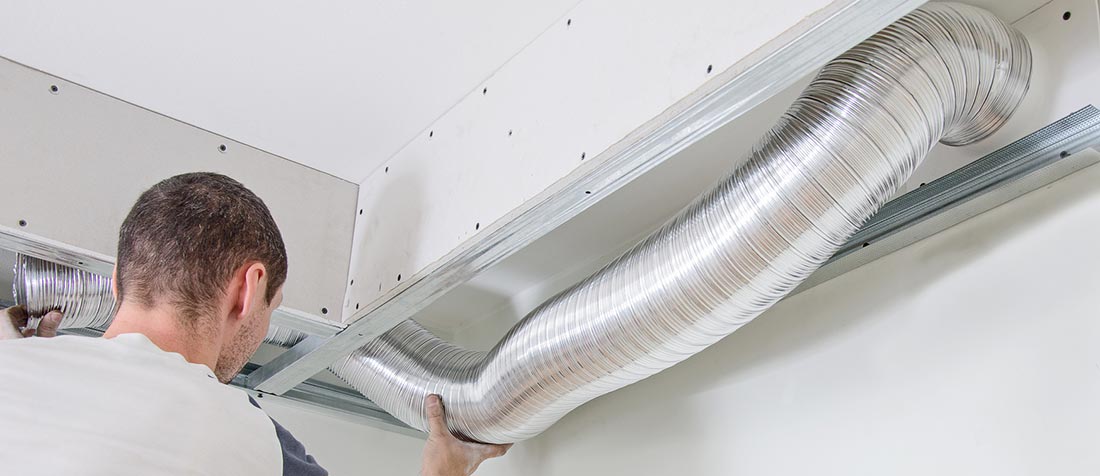
Homes in areas like Stone Oak or Alamo Heights often have laundry rooms in interior hallways, forcing the vent to travel 15–25 feet before exiting the roof. The longer the run, the more friction and heat buildup you get, and the higher the chance of lint collecting in hard-to-reach places. Cleaning the vent removes these obstructions and restores efficient airflow so drying cycles return to normal.
Clogged dryer vents usually show symptoms long before they become serious safety hazards. San Antonio homeowners often report:
Poor venting traps heat in the dryer and surrounding area. In smaller laundry rooms common in neighborhoods like Monte Vista this can spike temperatures quickly and stress the dryer’s thermal limiter.
When that happens, the dryer may shut itself off early to protect the motor. Clearing the vent lowers back-pressure, allowing heat to escape the way it should and helping the dryer operate normally again.
A persistent, slightly burned odor is one of the strongest warning signs. It happens when lint rests too close to the heating element or when friction from restricted airflow makes the vent pipe extremely hot.
This smell is especially common in older homes with foil-style ducts in 78201, where lint accumulates faster on the flexible metal. Cleaning the vent removes this risk before it becomes dangerous.
Our work follows best practices shaped by the National Fire Protection Association (NFPA) and modern appliance-vent standards. Every visit includes full inspection, removal of all lint deposits, and verification with digital airflow tools.
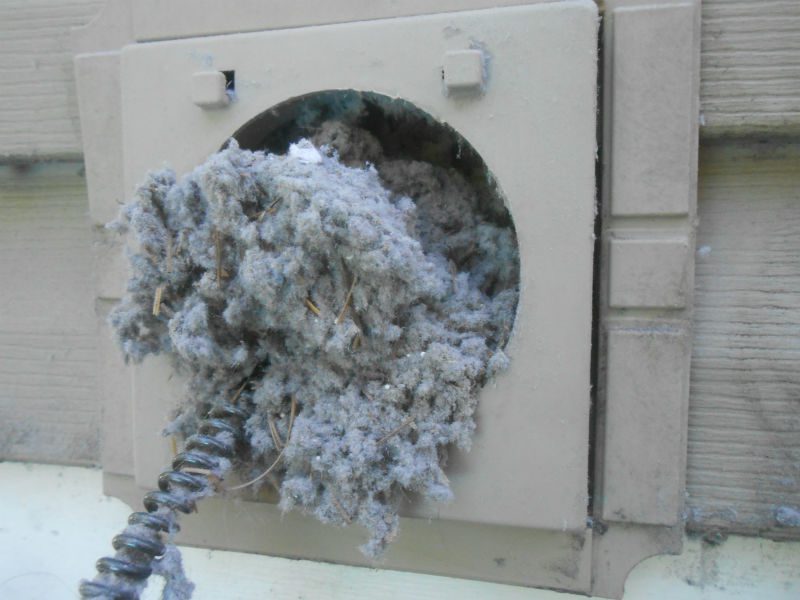
We begin with a complete inspection from the dryer connection to the exterior exit. A specialized camera reveals crushed sections behind the dryer, lint pockets inside attic elbows, and debris clogging the roof cap. This allows us to target the worst blockages and show you clear before-and-after photos.
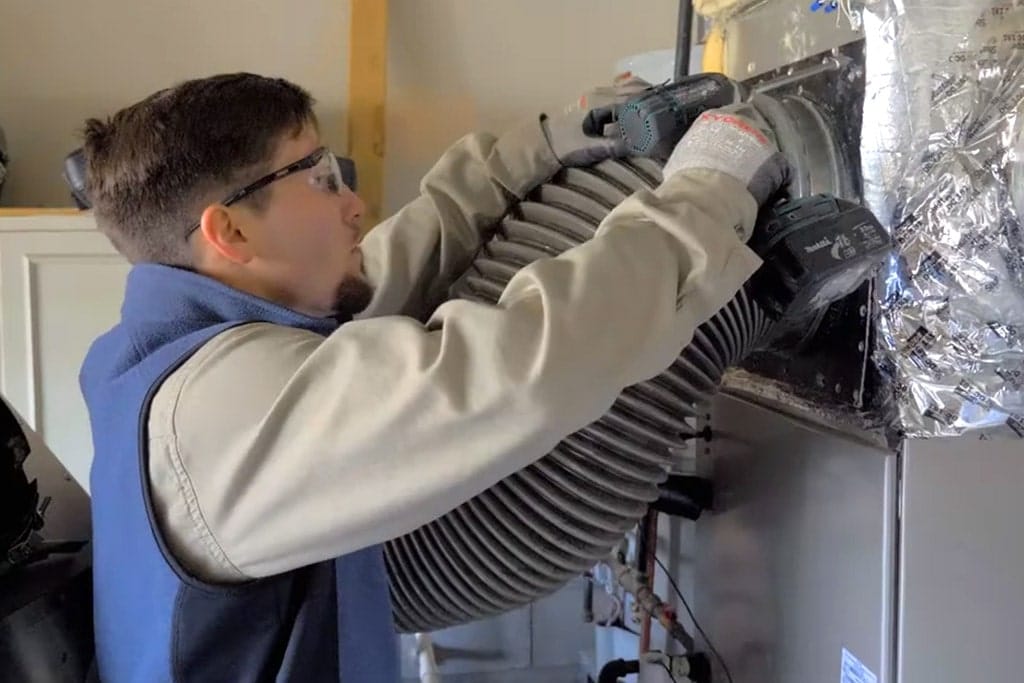
Using rotary brushes and a sealed vacuum system, our team clears lint from every section of the vent, including long attic pathways and multi-story runs. Roof exits, especially in 78249, tend to clog from humidity-hardened lint, so we remove any buildup behind the cap and make sure the flapper opens freely.
After cleaning, we measure airflow and back-pressure to confirm the vent is performing safely. Low pressure and strong airflow indicate a clear, healthy vent. If we find issues like a failing roof cap or a damaged elbow, we explain the cause and recommend the simplest repair.
Expert Insight: “Restricted dryer vents contribute to thousands of residential fires each year. Proper airflow is essential to safe operation.”
Fire Safety Source, NFPA
Many San Antonio homeowners first notice small changes in heat or drying time. This quick list helps you catch early warning signs before a clog creates a safety issue.
| Situation | Action |
|---|---|
| Clothes take over 50 minutes to dry | Clean vent immediately |
| Burning smell during cycle | Stop dryer and schedule service |
| Hot laundry room | Check airflow restriction |
| Roof cap clogged | Remove lint and inspect termination |
Our cleaning methods follow updated 2025 NFPA safety recommendations.
Sometimes a safe, efficient vent requires more than just lint removal. San Antonio’s attic heat often causes older foil ducts to collapse, while roof caps can clog with hardened lint or rust. Our technicians assist with:
These repairs help prevent moisture issues, reduce fire hazards, and restore the dryer’s efficiency without unnecessary replacements.
A homeowner in Stone Oak noticed their dryer taking more than 90 minutes per load. Our camera found a thick pad of hardened lint behind the roof termination cap a common issue in San Antonio due to attic heat and humidity.
After cleaning the vent and clearing the cap, the dryer’s cycle time dropped back to 35 minutes, and indoor temperatures around the laundry area normalized. The homeowner scheduled annual cleaning to prevent future blockages.
Dryer vent performance connects closely with other airflow and moisture-control systems in the home. To keep the whole environment steady and comfortable, our team helps reinforce nearby systems that influence how well your dryer can breathe.
Some homeowners notice smoother room-to-room airflow after addressing cleaner indoor air movement, which can reduce heat pockets around laundry areas.
Homes dealing with damp corners or musty areas often improve after seeking relief from musty indoor odors, a common concern in parts of San Antonio where humidity settles for long stretches.
When past leaks have weakened surfaces or left moisture behind, households frequently regain stability through safer indoor conditions after moisture, preventing future issues that can affect airflow around utility rooms.
And in homes where fireplaces share attic space or venting pathways, reinforcing steadier smoke movement indoors keeps exhaust routes clear enough for the dryer system to work without backpressure.
Together, these services help stabilize airflow across the home and reduce the risk of recurring dryer-vent problems.
A clean dryer vent protects your home, restores safe drying times, and reduces the strain on your appliance. Our team offers same-day appointments across San Antonio, from Alamo Heights to Monte Vista.
See our Texas-wide dryer vent safety standards for recommended maintenance schedules and safe venting practices.
This breakdown explains how proper maintenance protects your home and improves efficiency.
Learn more about service availability across homes across San Antonio.